
Understanding recycled content
Paper mills have always put scraps and trimmings of high-grade paper back into their pulping processes when making high-grade paper. Known as pre-consumer recycled content, this reuses waste from the manufacturing process and is considered standard practice among most mills.
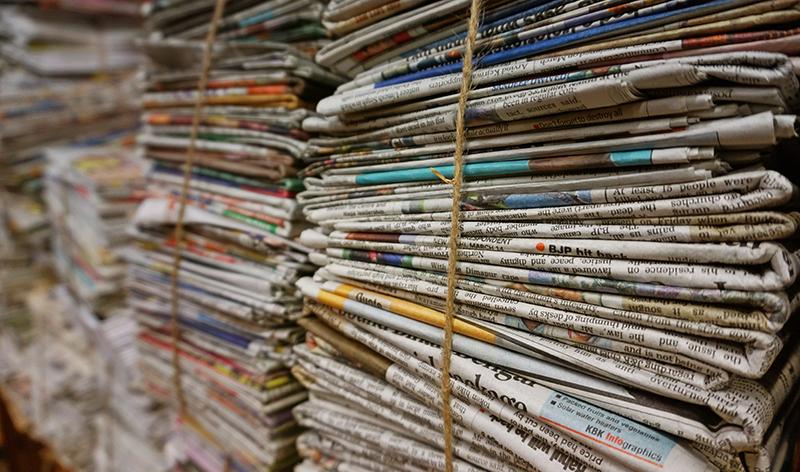
The type of recycled content that actually diverts paper from landfills is called post consumer waste (PCW) recycled paper. This is paper that is collected from recycling programs and used to make new paper. Using post consumer waste creates a market for recycled paper, bolsters recycling programs, and reduces the need for harvesting plantation trees or virgin forests.
Fibers can’t be endlessly recycled
Ideally, consumers and businesses would send all of their waste paper to recycling plants that could create new paper in an endless loop of reuse. In reality, paper fibers degrade each time they are recycled- paper can typically be recycled no more than five times before it loses essential qualities like fiber strength and length.
Different grades of paper need to be handled separately during the recycling process. For example, corrugated cardboard and mixed paper are only suitable for recycling into low-grade paper that is used in products like brown bags, paper board, and egg cartons. High-grade recycled paper, like the kind that is needed for printing, can only be made from similar high-grade paper (Source).
All tree-based paper is ecologically damaging
The newspapers and cardboard boxes we throw into the recycling can are mostly made from recycled paper. With every reuse they are treated with chemicals and water to remove the inks and impurities. The recycling takes its toll and after about five to seven times the paper fibers lose their strength and end up being thrown into landfill. And the leftover sludge of ink, chemicals and water is either buried in a landfill or burned at the paper mill for energy.
Dive deeper into the specifics of paper
- Paper and Ecological Damage will show you how the virgin-wood paper industry is damaging the world’s forests and waterways.
- NoTree Line of Cups and Bowls learn about our NoTree line of paper cups and bowls that use sugarcane and bamboo fiber instead of trees.
The bottom line: Use less paper. It is not infinitely recyclable.