

Jump to Content
Notice Bar Example →

Advocacy

At World Centric, our dedicated team stays ahead of evolving regulations with our customers in mind. We actively track policy changes, offer helpful resources, and advocate for legislation that supports sustainability, waste reduction, and responsible business practices—so our customers can rely on us for clear guidance and informed support.
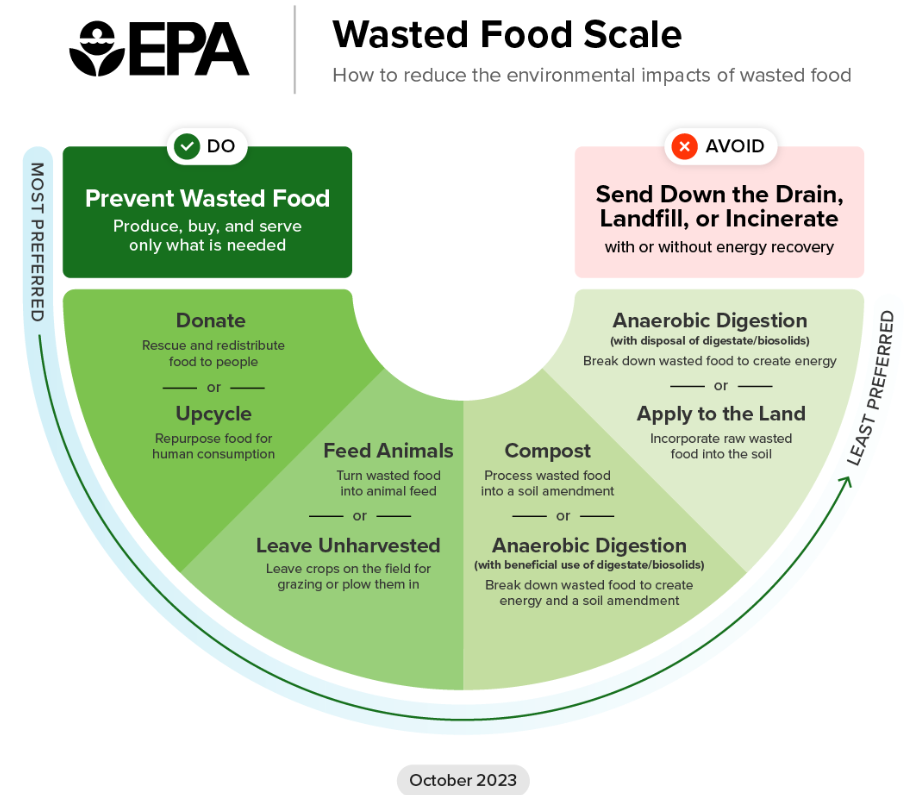
What Is Composting?

Composting is one of the most effective ways to return nutrients to the earth and reduce waste, but it only works when the right materials are used. Many products today are marketed as “eco-friendly,” yet not all are designed to break down fully or safely in real composting environments. Understanding the difference between compostable and biodegradable materials is key to protecting compost streams and supporting soil health.

What We Waste

Sustainability starts with acknowledging the waste we create. Humans are exploiting the planet’s resources at an unsustainable rate, with much of that consumption becoming solid waste. From plastic straws and cups to styrofoam containers used briefly, these items persist for centuries. In 2018, the EPA reported Americans generated over 292 million tons of municipal solid waste, including 35 million tons of plastic. By 2021, plastic waste rose to 40-51 million tons, while the U.S. recycling rate dropped to just 5-6 percent. As a result, up to 43 million tons of plastic ended in landfills, contributing to long-term environmental pollution. Composting with the right materials can reverse this trend and return resources to the soil instead of the landfill.

Compostable vs. Biodegradable

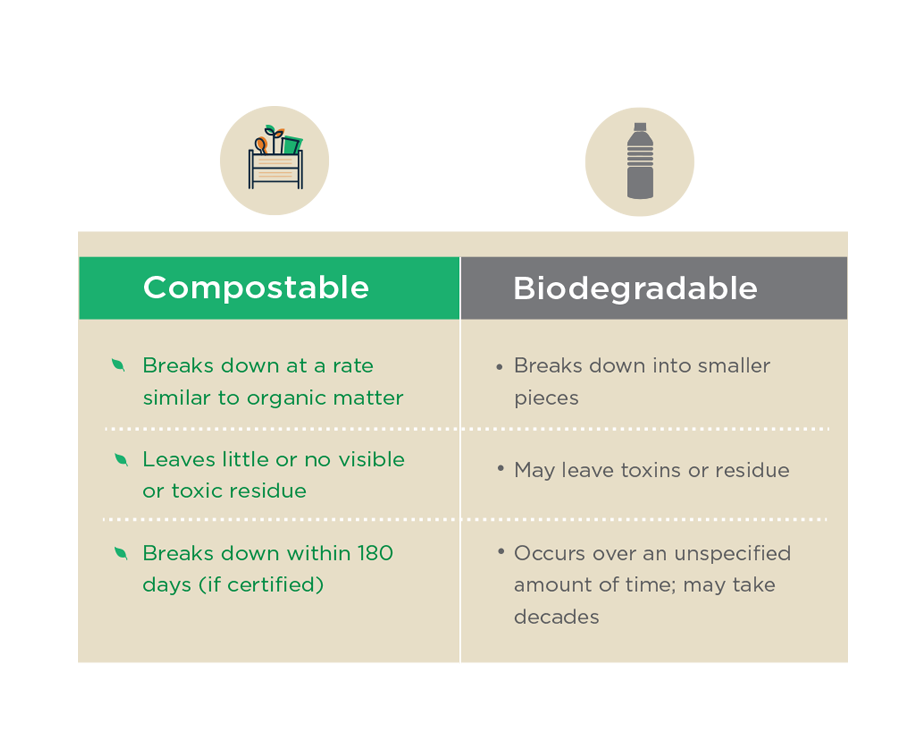
Compostable packaging breaks down into water, carbon dioxide, and organic matter—typically within 90 days in a commercial composting facility. It disintegrates efficiently, leaving little to no toxic residue, making it safe for the environment and beneficial for soil health. In contrast, biodegradable packaging may take much longer to decompose and potentially leave harmful residues. Many biodegradable items are made with petroleum-based materials, which don’t work in composting systems. Choosing compostable packaging reduces confusion, prevents contamination, and supports a soil-friendly, circular solution.

Why Certification Matters

Many products labeled “compostable” or “biodegradable” lack third-party certifications, causing consumer confusion, compost contamination, and challenges for facilities. This greenwashing undermines sustainability efforts. Choosing certified, plant-based products ensures safe breakdown, reduces pollution, and supports a circular economy. Trusted certifications like NSF or TUV help businesses and consumers make responsible choices.

Our Product Certifications

Compostables with Purpose

At World Centric, our plant-based compostable packaging returns to the earth as nutrient-rich compost, following nature’s cycle. We use plant-based materials like sugarcane bagasse, bamboo fiber, compostable PLA, and FSC certified paper, which break down in three to six months and nourish new growth. Our life cycle assessments show these alternatives use less energy, water, and generate less pollution than petroleum-based plastics. To stay accountable, we measure the environmental footprint of our products through eco-profiles that track resource use, emissions, and waste.

Our Impact Report

Composting Resources

While we collaborate with state chapters and composting facilities, here are our recommended resources to help you learn more and find local composting facilities participating near you.

View Resources